
 For Rent
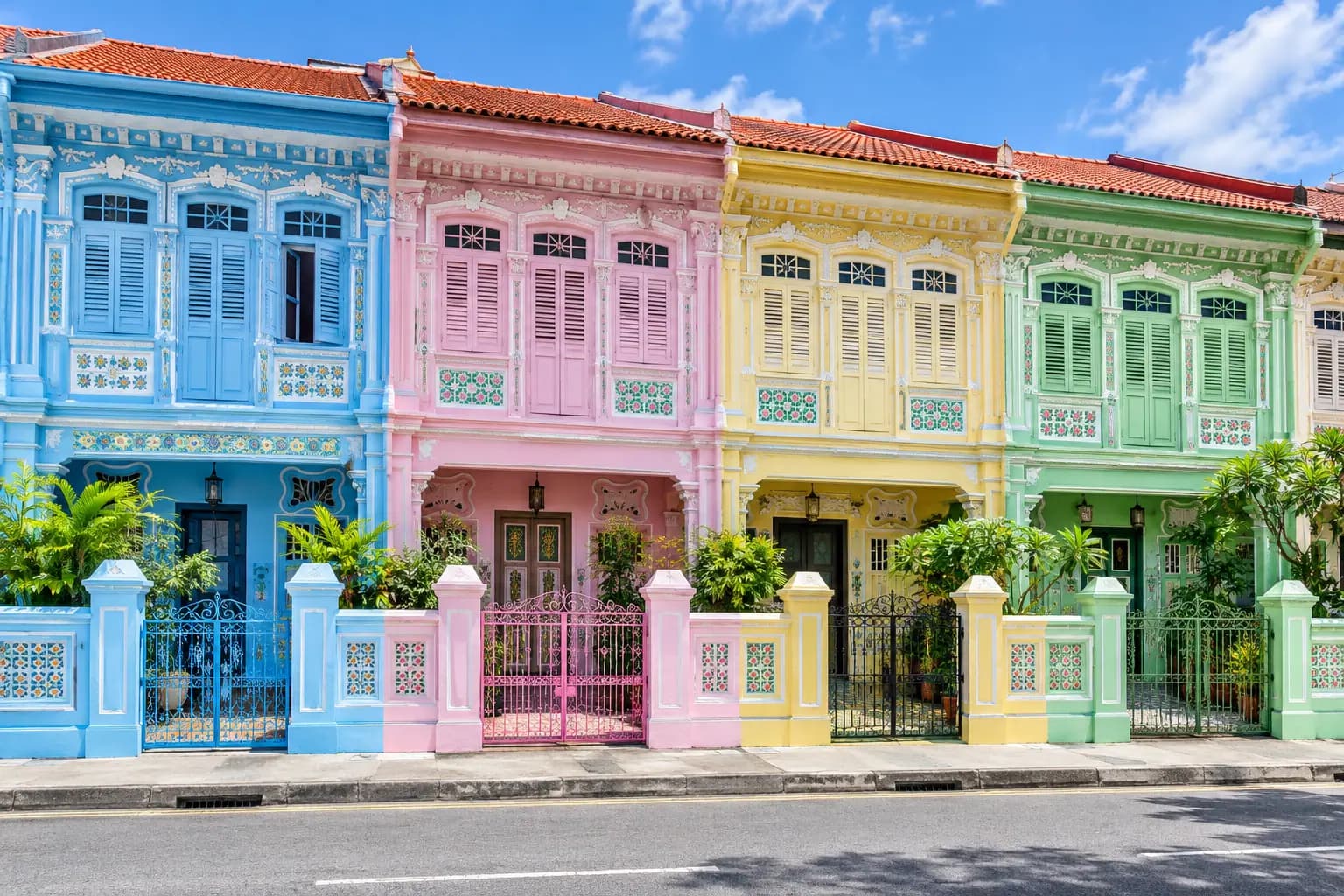
Shophouse for Rent in Singapore
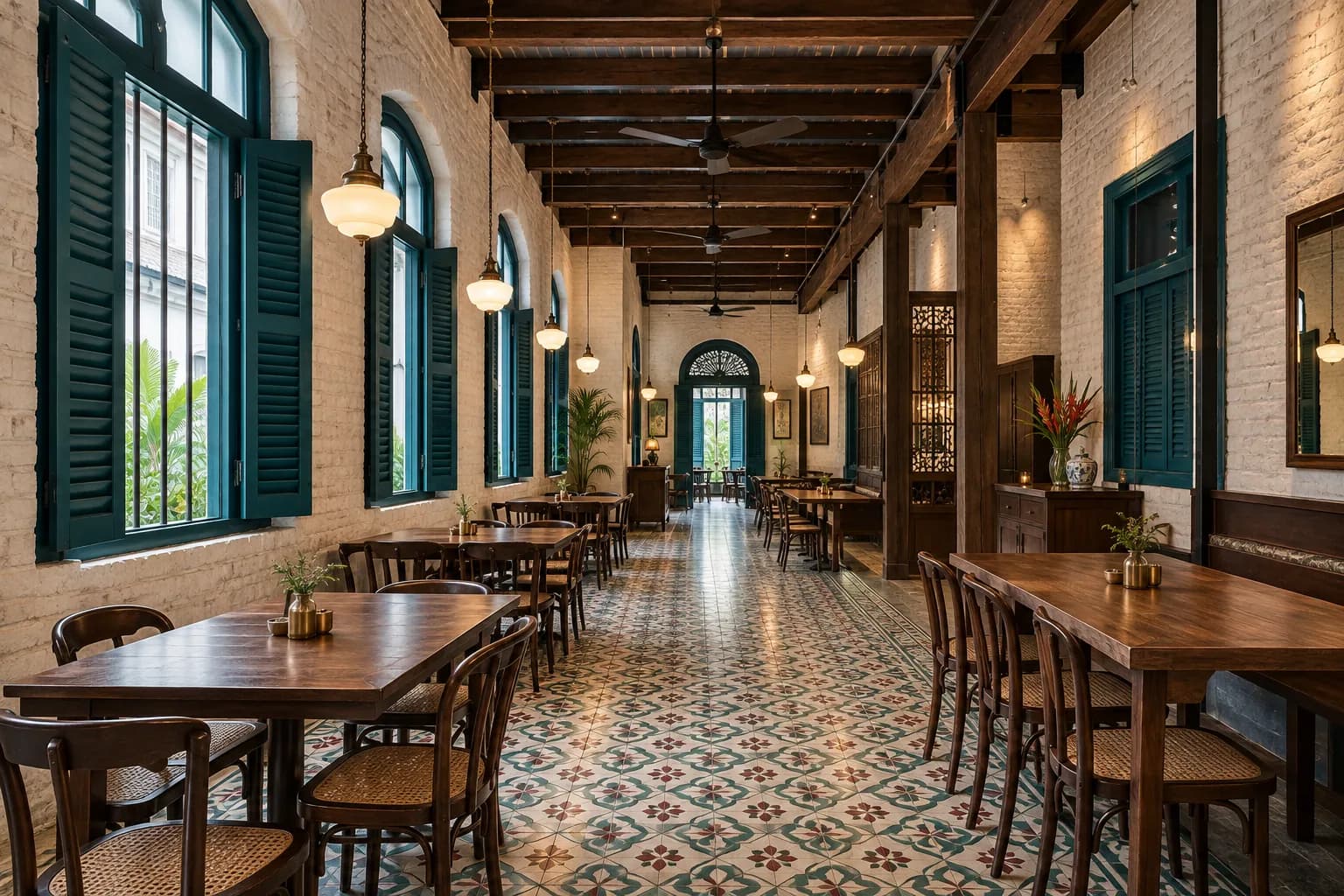
Character leases for F&B operators, galleries, and professional firms who need frontage, story, and licensing pathways.
Leasing a conservation shophouse is as much about F&B licensing and change of use readiness as it is about rent per square foot. Landlords who pre-clear URA use, SCDF fire safety, and kitchen extraction typically achieve faster lease-up and stronger covenants.
Operators evaluating east-side concepts should also review District 14–15 East and our F&B licensing & change of use guide. Investors comparing hold strategies can contrast rental stock with shophouses for sale in Singapore. HDB commercial letting and living quarters sit on HDB shophouses.
For RentLeasing desk
F&B-ready or boutique office lease?
Share your brief — licensing-aware introductions across Club Street to Joo Chiat.
Frequently Asked Questions
What rents do conservation shophouses command in 2026?+
Prime Club Street and Telok Ayer ground-floor F&B units can exceed S$10–15 psf monthly. Secondary streets and east-side Joo Chiat stock often lease at S$6–10 psf depending on frontage and licensing readiness.
Who typically leases shophouses?+
Tenants include F&B operators, wine bars, galleries, professional firms, and design studios seeking character space. Landlords prefer operators with proven F&B licensing track records and fit-out capital.
Are rents inclusive of conservancy or sinking fund?+
Most shophouses are freehold strata or whole-building leases without condominium-style MCST fees. Tenants usually bear utilities, conservancy where applicable, and fit-out; landlords cover structural and façade conservation obligations.
How long are typical lease terms?+
F&B leases commonly run 2+2 or 3+3 years with rent reviews. Professional office tenants may negotiate longer terms with step-ups. Break clauses should address change of use and licensing contingencies.