
Short answer
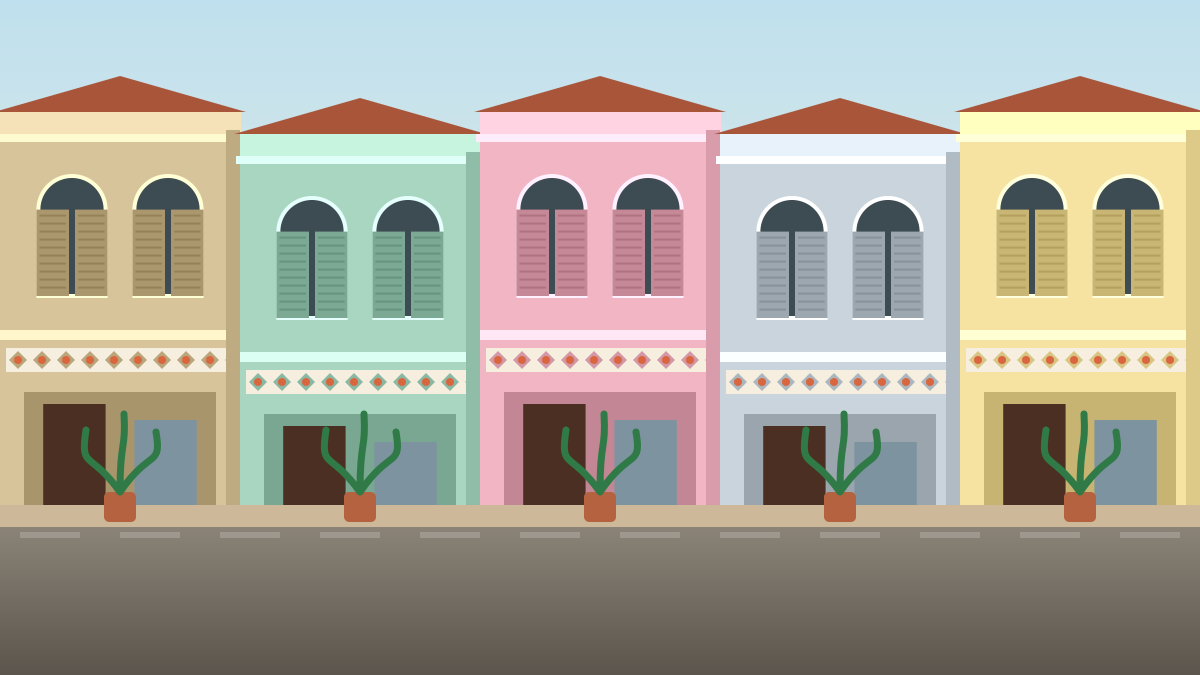
Singapore shophouses are usually grouped by era and style: Early, Late, Transitional, Art Deco and Peranakan-influenced. Early shophouses are plainer; Late ones are more ornate; Art Deco ones, mostly pre-war, are streamlined. URA's conservation guidelines describe these styles, and many pre-war shophouses are conserved.
Last reviewed November 2026. Rules and figures change; confirm with the named agency before acting.
Shophouse styles at a glance
| Style | Look | Where to see examples |
|---|---|---|
| Early | Simple, plain facade, modest decoration | Chinatown, Kampong Glam |
| Late | Richer ornament, decorative plasterwork and tiles | Joo Chiat, Katong, Chinatown |
| Transitional | Mix of late ornament and cleaner lines | Various conserved districts |
| Art Deco | Streamlined, geometric, less ornament | Tiong Bahru area, City Fringe |
| Peranakan-influenced | Colourful tiles, carved timber, pastel facades | Joo Chiat, Katong, Emerald Hill |
How to spot a pre-war shophouse
- 1Look for the five-foot way, a covered walkway along the front.
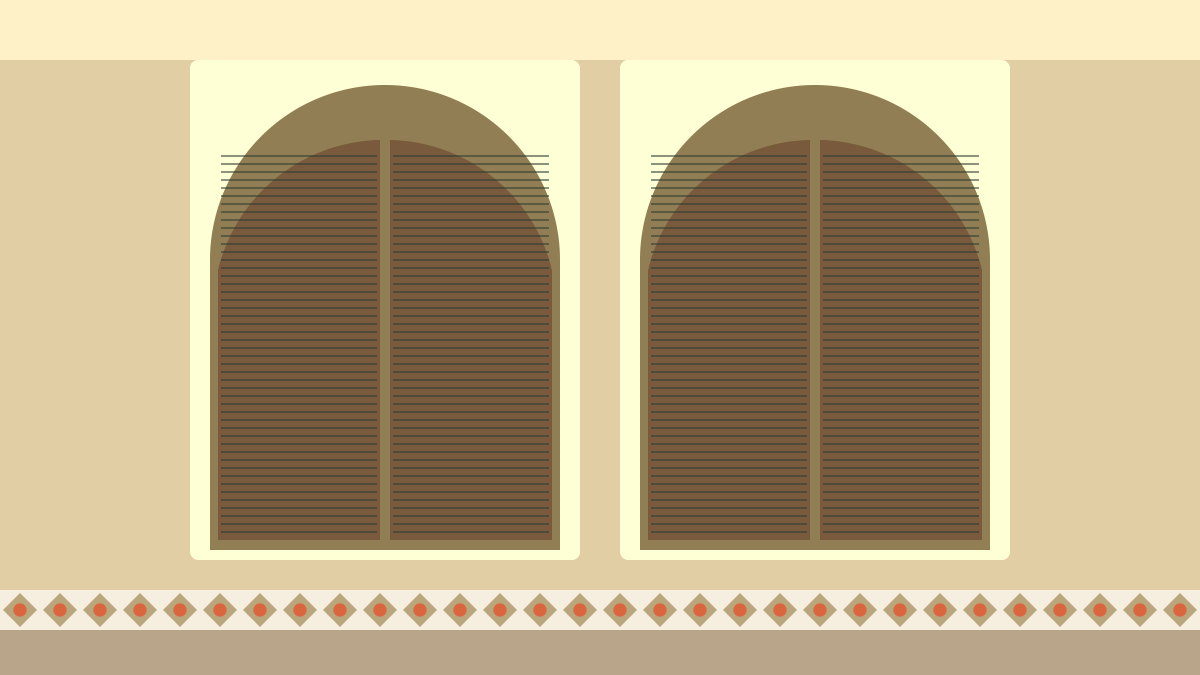
- 2Check the facade for timber shutters, air vents and decorative plaster.
- 3Count the floors: most are two or three storeys.
- 4Notice the narrow frontage and deep plan, often with an airwell.
- 5Check URA's conservation map to confirm conservation status.
Colourful and old shophouses worth seeing
Pastel and brightly painted shophouses are a signature of Peranakan-influenced streets such as those in Joo Chiat and Katong. Older, plainer rows are easier to find in Chinatown and Kampong Glam. Paint schemes on conserved buildings follow guidelines, so colours you see are not a free-for-all.
Modern shophouse development
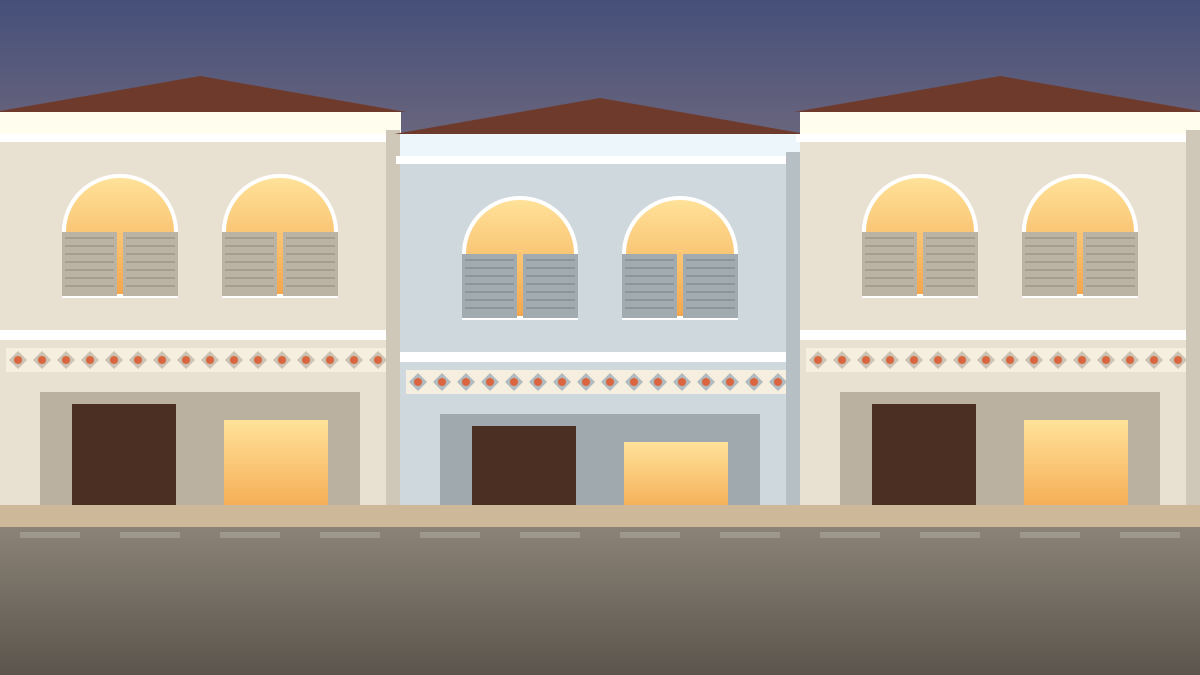
Newer shophouse-style buildings exist in non-conserved areas. They borrow the form but are not heritage buildings, so the conservation rules may differ. Always check the specific property.
Sources
General information only, not legal, planning or financial advice. Looking to buy or lease? See HDB shophouses or shophouses for rent.