

The short answer
Buying a shophouse through a company or trust works well for fully commercial property but can be costly for residential property: IRAS charges entities 65% ABSD on residential purchases. Structure only after confirming the shophouse's stamp duty classification, financing terms and exit plan with a Singapore lawyer and tax adviser.
- Entity ABSD
- 65% on residential
- Commercial
- Generally no ABSD
- Loan
- Company financials, guarantees
- Exit
- Asset sale or share sale
Last reviewed 5 November 2026. Rates and rules cited reflect IRAS, MAS, SLA and URA publications as last checked on 5 November 2026; always confirm current figures on the issuing agency's website before you sign. General information only, not legal, tax, or financial advice.
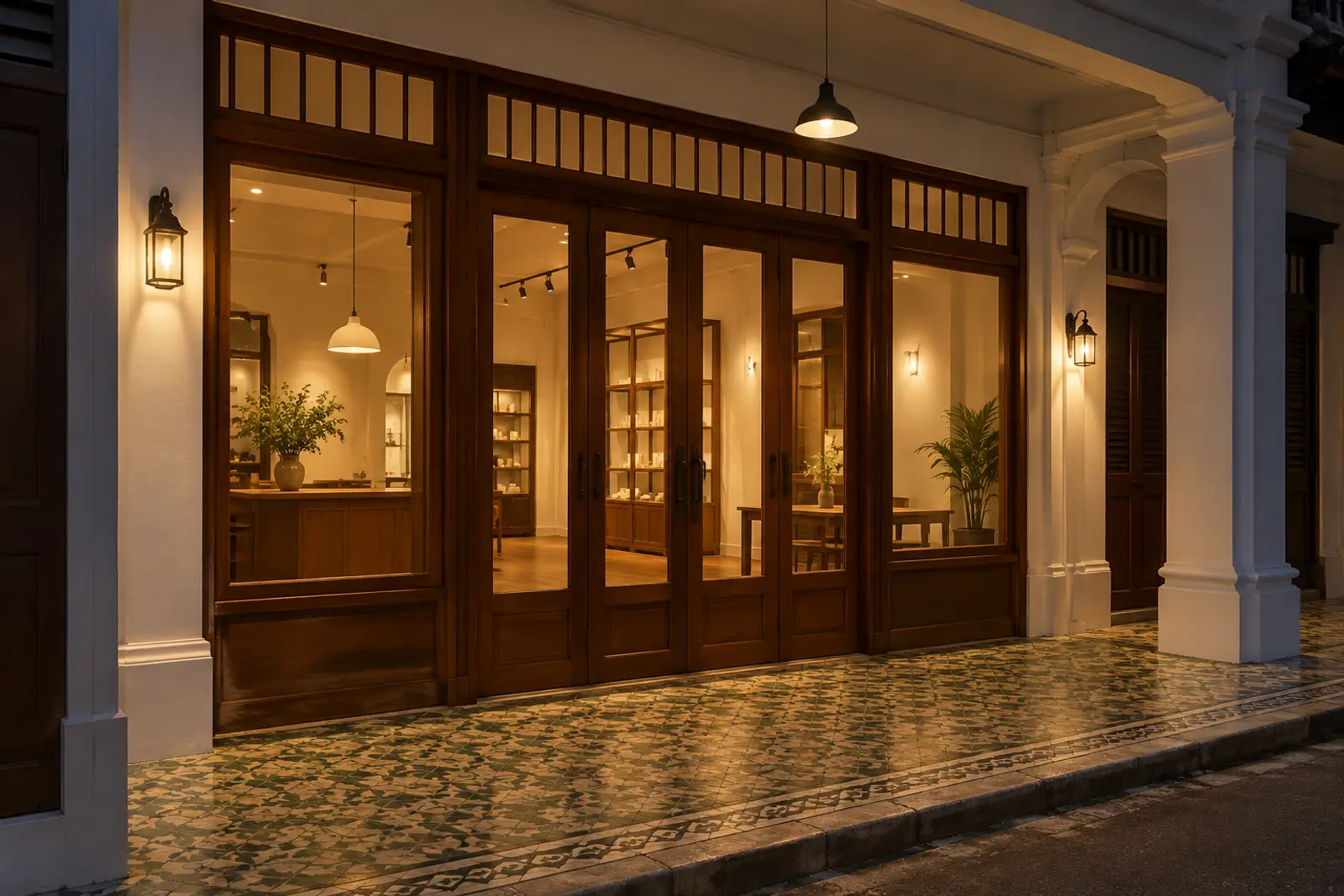
The same company can face a very different bill depending on one thing: how each floor is approved.
1. Why investors use entities
- Separating the shophouse from personal balance sheets
- Co-investing with partners through shareholdings or units
- Estate and succession planning
- Operating a business from the building through the same group
2. Individual vs entity: the trade-offs
| Issue | Individual buyer | Company or trust buyer |
|---|---|---|
| ABSD on residential property | Depends on citizenship and number of properties | 65% under IRAS rates from 27 April 2023 |
| ABSD on fully commercial property | Generally none | Generally none; confirm classification |
| Financing | Underwritten on personal income under TDSR | Underwritten on company financials, often with guarantees |
| Exit | Sell the property | Sell property or shares; share sales can still be caught by stamp duty rules |
| Foreign ownership | Follows personal status | Foreign-controlled companies can be restricted under the Residential Property Act |
| Admin cost | Low | Annual filings, accounts, directors, possibly audit |
3. Trusts and family offices
IRAS treats trustees in the entity category for ABSD purposes on residential property. Family offices commonly hold commercial shophouses through a Singapore company, with the trust or fund above it. Because ABSD, income tax and estate outcomes depend on the structure, ask your tax adviser to model them together.
4. Practical checklist
- Confirm ABSD classification on the actual property before choosing the buyer
- Check the lender's appetite for the structure
- Run ACRA and beneficial-owner checks early; banks and lawyers will ask
- Plan exit: asset sale vs share sale and their stamp duty effect
- Keep the company's constitution and director resolutions aligned with the purchase
Sources
- IRAS: Additional Buyer's Stamp Duty (ABSD)
- SLA: Residential Property Act (foreign ownership)
- ACRA: BizFile and company information
- MAS: Total Debt Servicing Ratio (TDSR) framework
Next step: see the ABSD breakdown, the URA buyer manual and live conservation shophouses for sale.