
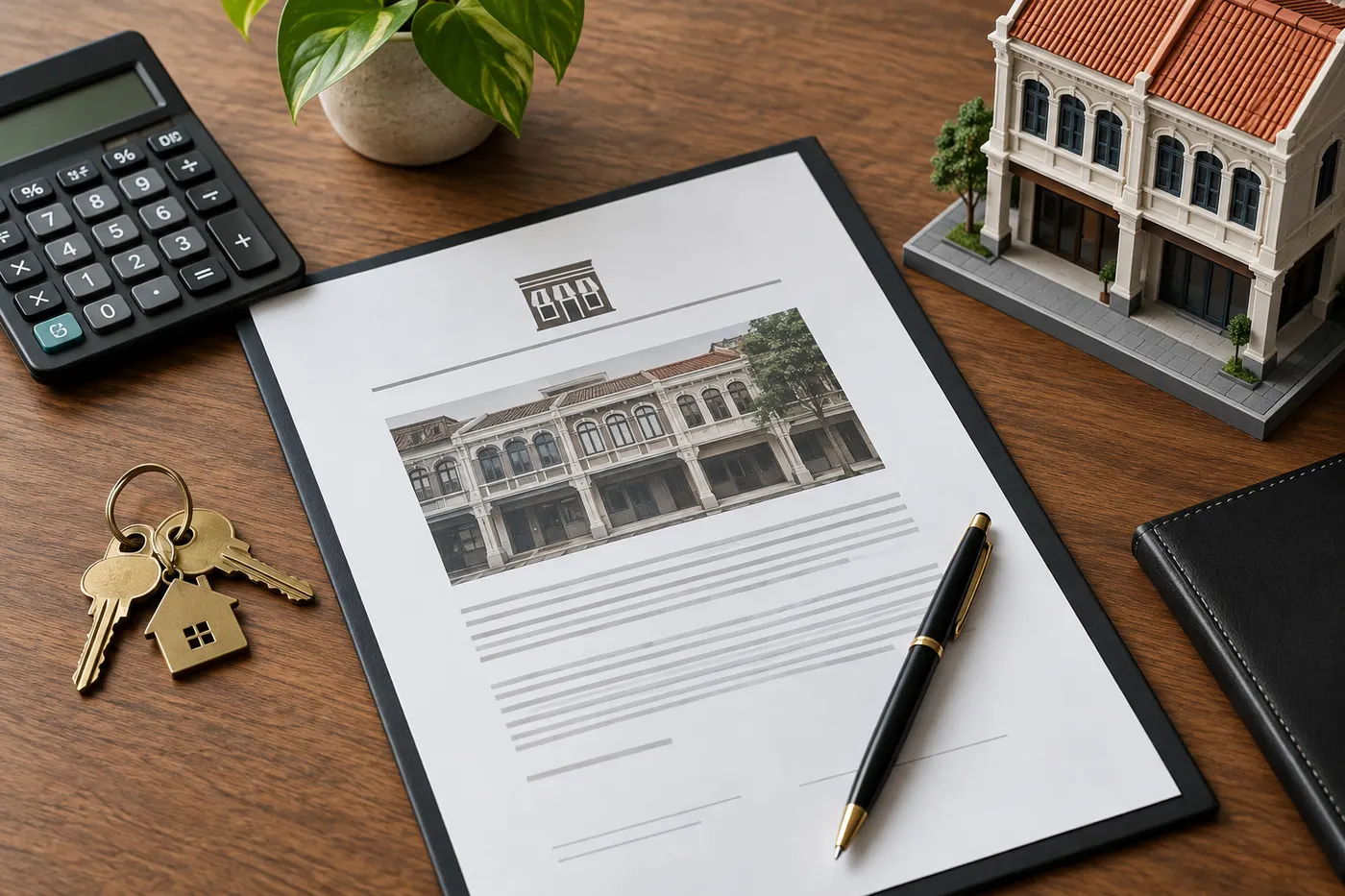
The short answer
Shophouses make distinctive boutique offices and small co-working spaces, particularly on upper floors in commercial zones. Check that approved use allows office, confirm SCDF occupant load and exits for the intended headcount, and accept that narrow floor plates and stairs limit team size and accessibility.
- Best floors
- Upper floors in commercial zones
- Fire safety
- SCDF occupant load and exits
- Trade-off
- Stairs, narrow floor plates, no lift
- Co-working
- Treated as office; verify with URA
Last reviewed 2026-11-05. Rules and fees change; confirm with the relevant agency before committing to a lease or fit-out.
Pros and cons for office tenants
| Advantage | Limitation |
|---|---|
| Distinctive brand and client impression | Narrow, deep floor plates |
| Often near MRT and F&B in the CBD fringe | Stair access; lifts are uncommon |
| Flexible small footprints for studios and boutique firms | Air-conditioning and power may need upgrading |
| Lower scale than grade A towers | Fewer shared amenities |
What to check before leasing
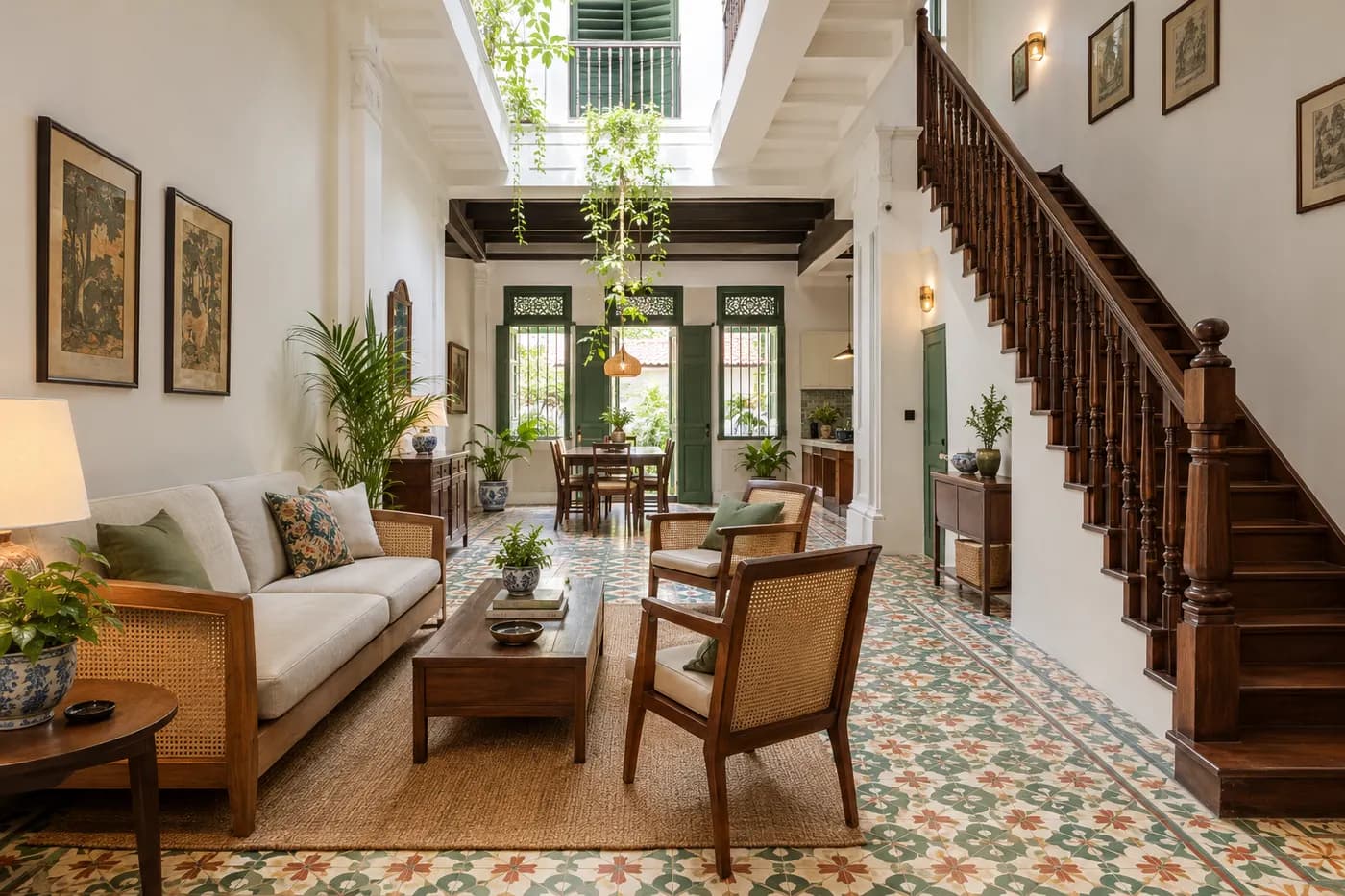
- Approved use for the floor includes office.
- SCDF requirements for occupant load, exits and fire detection for your headcount.
- Structural floor loading if you plan heavy equipment or storage.
- Accessibility: ask whether a lift or ramp exists and how clients reach upper floors.
- Power, cooling and data readiness, and landlord consent to upgrade.
- Whether the lease allows co-working-style licensing of desks to multiple companies.
Plan the maximum headcount early. It drives exits, toilets and fire systems.
Co-working in a shophouse
Operators run co-working in conservation shophouses by treating the building as an office use, but multi-company occupancy increases occupant load and fire safety scrutiny. Confirm the classification with URA and your QP before committing.

Sources and where to verify
See also our shophouses for rent hub and the commercial shophouse permitted uses overview.