
East Coast neighbourhood guide
Geylang Shophouses for Sale and Rent: Geylang Road and the Lorongs
A long conservation corridor east of the city: history, stock, uses, due diligence, lease rights and how to evaluate a Geylang shophouse.
Quick answer
What are Geylang shophouses?
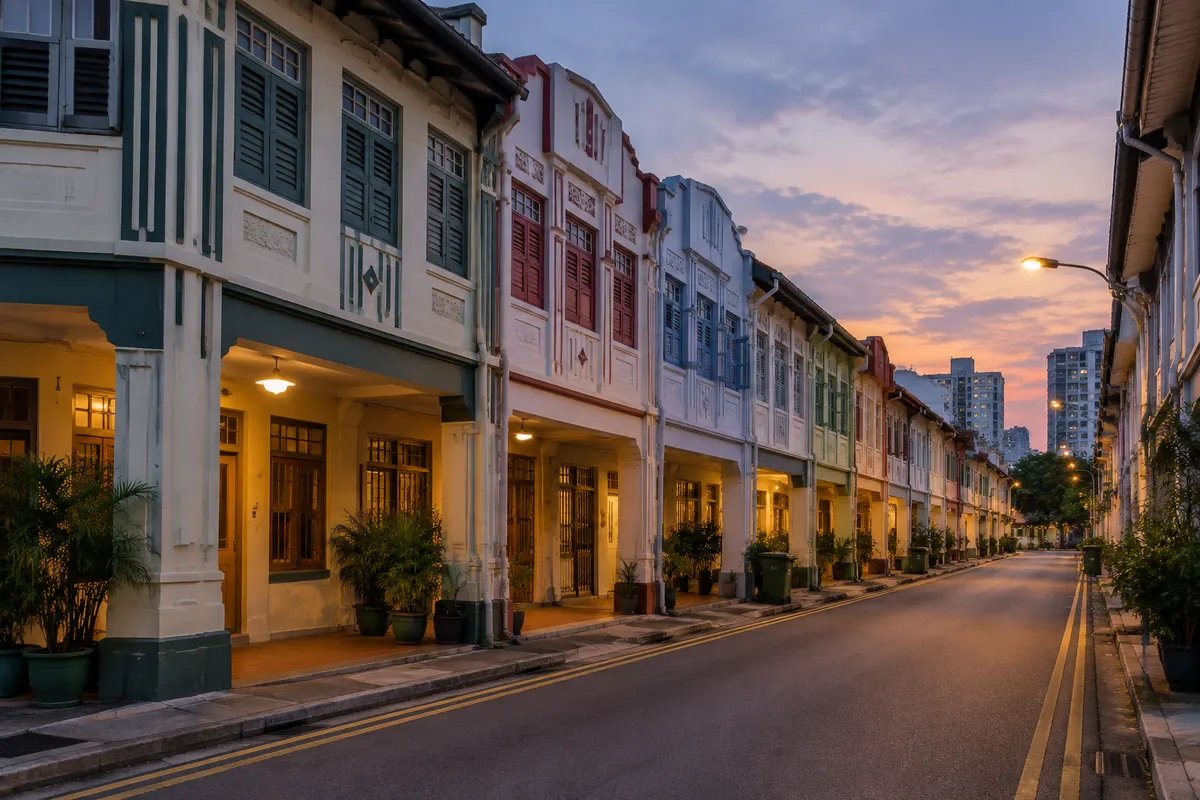
Geylang shophouses line Geylang Road and its numbered lorongs about 5 km east of Singapore's city centre, within the Geylang Conservation Area. They mix shophouses and low-rise bungalows, with uses from F&B and trade to residential and lodging. Specific Restoration Guidelines apply, and each lot's approved use must be verified.
Last reviewed 5 November 2026. Market and planning statements are dated and qualitative; verify on the named lot before acting.
Geylang Road at a glance
- Location
- About 5 km east of the city, along Geylang Road and selected lorongs; postal district 14
- Conservation
- Geylang Conservation Area (URA), with Specific Restoration Guidelines
- History
- Back to the 1840s, when the Malay floating village was resettled in the area
- Stock
- Mix of shophouses and low-rise bungalows
- Uses
- F&B, trade, services, residential, lodging where approved
- Transport
- Aljunied, Geylang Bahru, Paya Lebar and Kallang MRT stations are the usual access points
- Related
- Geylang area guide, Geylang Serai
- Facts reviewed
- 5 November 2026
Geylang Road: Singapore's long conserved shophouse corridor
Geylang is one of the largest shophouse districts in Singapore, and one of the most misunderstood. It is known for food, trade and a reputation that colours how outsiders see it, but from a real estate perspective it is a long, diverse conservation corridor with a very mixed stock of shophouses, lorong terraces and low-rise buildings.
Buyers and tenants searching for a Geylang shophouse for sale or Geylang shophouse for rent will find a wide range of quality and use. This page gives a factual framework for comparing lots. See also our Geylang area guide and Geylang Serai for the Malay heritage hub nearby.
History of Geylang
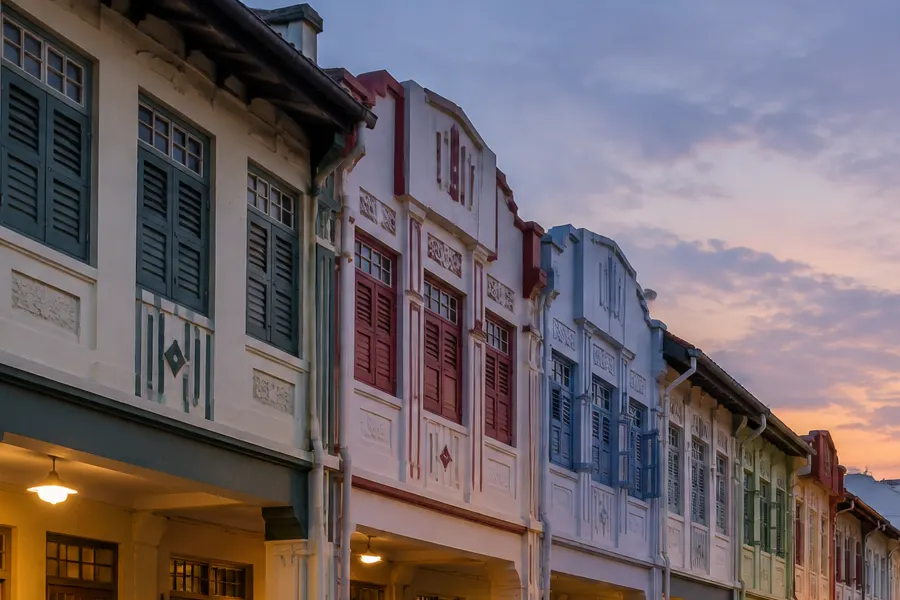
URA traces Geylang's history to the 1840s, when the Malay floating village was resettled in the area. Over time the district grew with plantations, settlements and trading streets, and later with the rows of shophouses and lorongs that define its present form.
The numbered lorongs branching from Geylang Road were developed as lanes of shophouses and terraces, creating the grid-like pattern visible today. The Geylang Conservation Area now protects a selection of these streets.
1840s
Malay settlement
The Malay floating village is resettled in the Geylang area.
Early 20th century
Shophouse growth
Lorongs and Geylang Road fill with shophouses and terraces.
Late 20th century
Conservation
URA designates the Geylang Conservation Area along Geylang Road and selected lorongs.
Geylang shophouse stock and the lorongs
Geylang Road itself carries the main frontage, with side lorongs set at right angles. Stock ranges from well-restored two-storey shophouses to older, tired units. Some blocks are mainly commercial, others mainly residential or mixed, and uses have shifted over time.
Because uses vary so much between lorongs, due diligence at lot level is essential. Check the approved use, the actual use and any enforcement history, and visit at different hours.
| Check | Why | How |
|---|---|---|
| Approved use | Determines legal uses and licences | URA and existing approvals |
| Conservation guidelines | Controls facade and alterations | URA Specific Restoration Guidelines and architect |
| Fire safety | Older shophouses can pose fire risks | SCDF requirements and a qualified professional |
| Tenancies | Existing leases affect vacant possession | Lease review by a lawyer |
| Structure | Old timber and party walls | Structural survey |
Geylang shophouse for sale
A Geylang shophouse for sale can attract investors who want conserved stock at a different price level from central areas. The corollary is that quality, use and tenant risks vary, and careful screening matters more here than in more homogeneous districts. Verify tenure, planning use, conservation status and encumbrances.
Zoning drives duty exposure. Read our commercial vs residential ABSD breakdown and the guide to investing in conservation shophouses. Pricing context as of 5 November 2026: use URA REALIS and similar lots on the same area basis, and do not rely on unsourced headline numbers. See conservation shophouses for sale.
Geylang shophouse for rent
Tenants include food operators, traders, service businesses and, where approved, lodging or residential users. Rents depend on frontage, use and condition; compare current listings and ask for approved-use documents. Confirm food licensing requirements early using the F&B licensing and change of use guide, and browse shophouses for rent.
Geylang shophouse fire safety
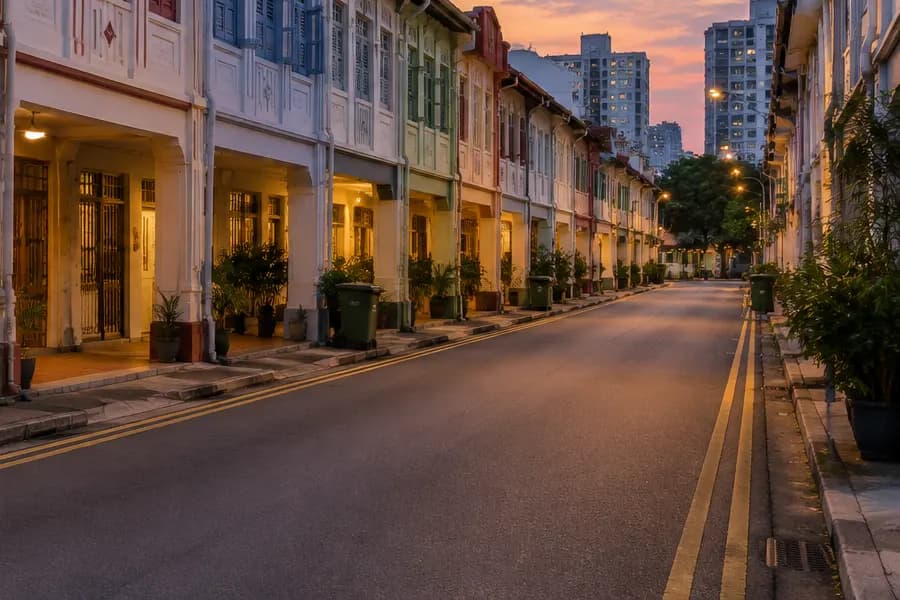
Older shophouses can present fire risks, including combustible materials, shared walls, narrow access and overloaded electrical systems. Tenants and owners should comply with SCDF requirements, install and maintain required detection and extinguishing equipment and keep escape routes clear.
For buyers, a prior fire or unauthorised works can have structural and insurance implications. Ask for incident history, insurance records and a qualified inspection before completing.
Lease rights, lockouts and disputes: general guidance
Landlord and tenant disputes happen in every district, and Geylang is no exception. As a general principle, a landlord should not lock a tenant out or remove their goods without following the lawful process; self-help can expose a landlord to claims. Likewise, tenants should keep rent current and record the condition of premises.
This is general information, not legal advice. If a lock-out, new ownership or a termination notice affects you, keep the lease and all correspondence, document the situation and consult a lawyer promptly. Buyers acquiring tenanted shophouses should review the leases and any rent arrears before completion, and sellers should disclose them.
URA conservation status
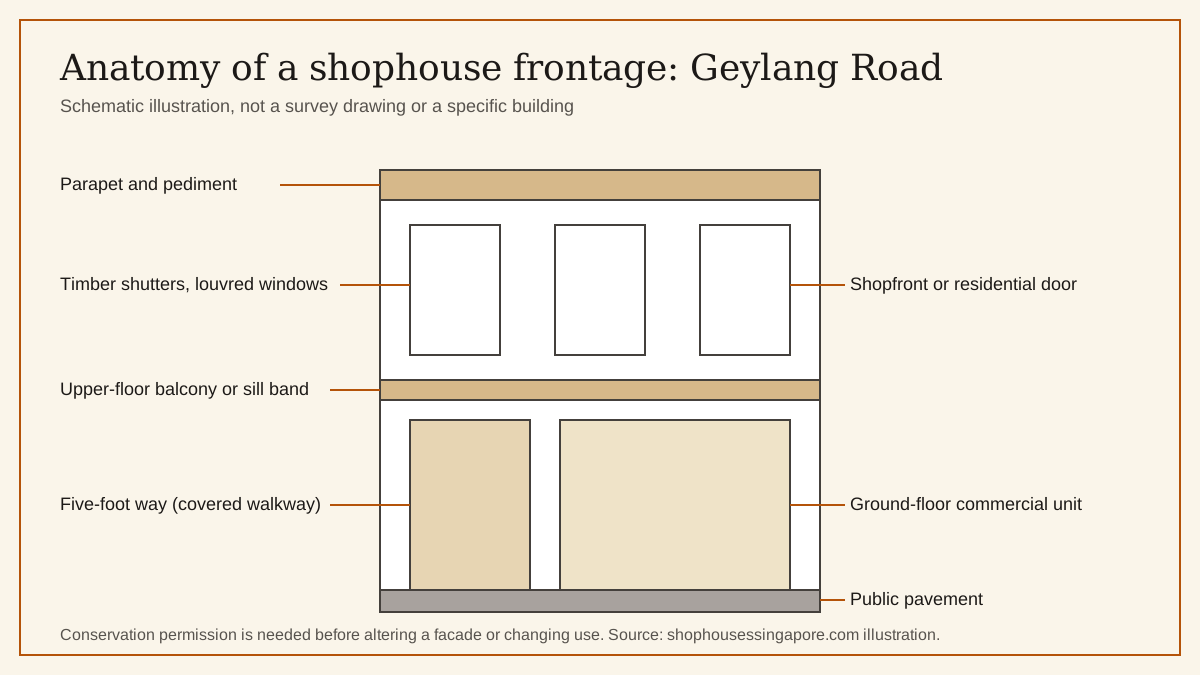
The Geylang Conservation Area lies about 5 km east of the city, along Geylang Road and selected lorongs, and contains a mix of shophouses and low-rise bungalows. Specific Restoration Guidelines and the guidelines for secondary settlements apply. Conservation permission is needed for alterations and change of use.
Verify each lot and read the conservation guidelines buyer manual. Policy can change, so confirm as of the date you act.
MRT and transport
Geylang Road is served by East-West Line stations such as Aljunied, Paya Lebar and Kallang, and by Geylang Bahru on the Downtown Line, with buses along the main road. Walking distance depends on the lorong, so measure from the specific unit.
F&B and retail
Geylang is known for a wide range of food, from long-standing local eateries to late-night dining. We do not name individual businesses, which change frequently. Operators should expect strong competition and a customer base that values authenticity and price.
Screening a Geylang lot: a practical order of work
Start with the paper: title, caveats, URA planning information, approved use and any written conservation advice. Then match the paper to the building. Visit during the day and at night, count the actual uses on the floor above and below, and note any signs of subdivision or unapproved partitioning.
Next, bring in specialists. A structural engineer should inspect party walls, roof timbers and floors; an electrical engineer should review the supply and load; and an architect experienced with conservation can advise what restoration will be required. Obtain quotes before you fix your offer.
Finally, test the exit. Ask how long comparable lots took to sell, who bought them and at what discount to asking. A realistic view of liquidity protects you better than an optimistic yield. If a lot depends on a use that is not approved, price it as if that use will never be approved.
Allow realistic time. Conservation permission, structural works and licensing run in sequence rather than in parallel, and each can slip. Build contingency into both budget and timeline, and avoid committing to an opening date or a tenant handover before approvals are in hand. Keep all approvals together in one file, because future buyers, lenders and insurers will ask for them.
Investment and living angle
For investors, Geylang offers conserved stock at a different risk profile from prime districts, with strong rental demand in some lorongs and difficult profiles in others. See historical yields and capital appreciation data. Compare with Joo Chiat for a more lifestyle-oriented east option.
Living in Geylang suits people who value convenience, food and transport and who accept a mixed streetscape. Walk the lorong at night before deciding.
Geylang Road shophouses: frequently asked questions
Are Geylang shophouses conserved?+
Many are, within the Geylang Conservation Area along Geylang Road and selected lorongs. Check each lot with URA.
Is there a Geylang shophouse for sale?+
Listings come up from time to time. Check current listings and verify tenure, use and conservation status.
Is there a Geylang shophouse for rent?+
Yes, from time to time. Confirm approved use and compare listings.
Can a landlord lock out a tenant in Singapore?+
In general, self-help lock-outs risk legal claims; lawful processes apply. This is not legal advice, so consult a lawyer for your situation.
What should I do if a new owner changes the locks?+
Document the situation, keep your lease and correspondence, and seek legal advice promptly.
How do I check fire safety in a Geylang shophouse?+
Ask for inspection and insurance records, comply with SCDF requirements and have a qualified professional review the electrical and fire systems.
How old is Geylang?+
URA traces its history to the 1840s, when the Malay floating village was resettled there.
Which MRT stations serve Geylang?+
Aljunied, Paya Lebar, Kallang and Geylang Bahru are commonly used.
How is Geylang different from Joo Chiat?+
Geylang is a long, mixed conservation corridor, while Joo Chiat is a compact heritage and lifestyle district.