
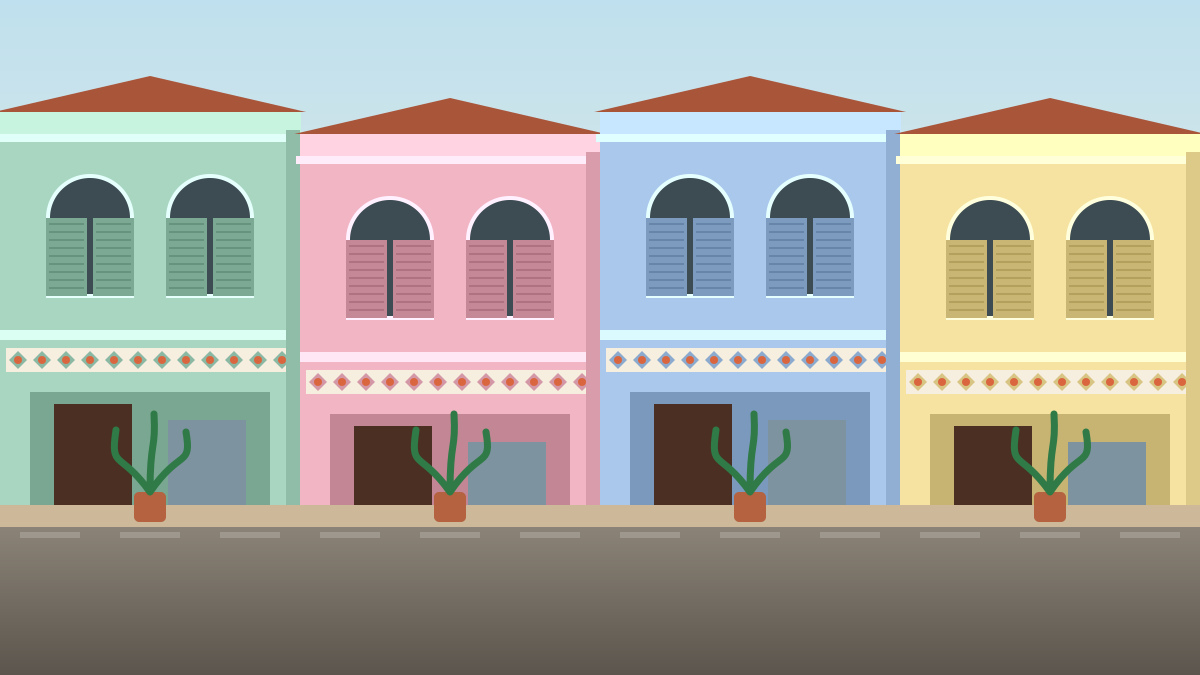
Short answer
Living in a Singapore shophouse suits people who value heritage character, high ceilings and a central, walkable address, and who accept narrow deep floor plates, stairs, limited parking and ongoing maintenance. It is usually less convenient than a condo but offers a rare landed-style home in the city.
Last reviewed November 2026. Rules and figures change; confirm with the named agency before acting.
Pros and cons at a glance
| Factor | Upside | Trade-off |
|---|---|---|
| Location | Often in central, walkable heritage districts | Nightlife and event noise in some streets |
| Space | High ceilings, airwells and courtyards in many units | Narrow, deep layout; limited natural light mid-plan |
| Character | Timber, tiles and façades with real history | Original fabric needs specialist repair |
| Facilities | Own entrance and no shared-pool queues | No condo gym, pool or guaranteed parking |
| Upkeep | Direct control over repairs | Old roofs, drains and plaster need regular attention |
What the layout is really like
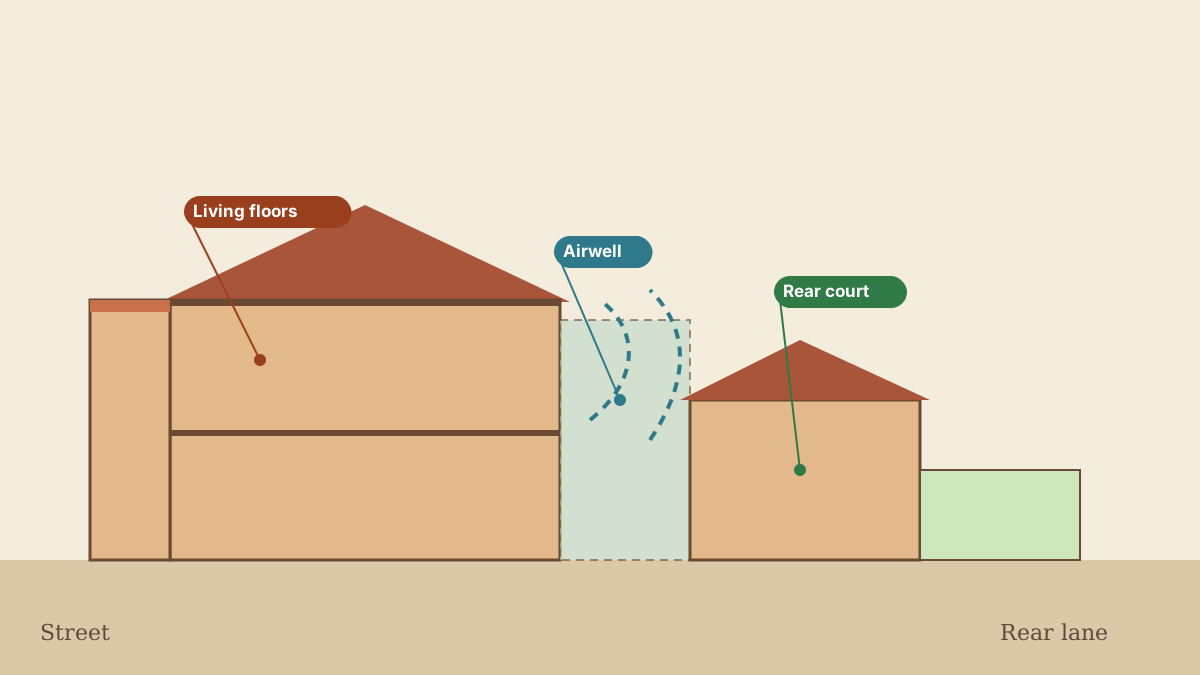
A traditional shophouse is a long, narrow terraced building with a shop at street level, living space above, a rear courtyard or airwell and a covered five-foot way at the front. Frontages are typically narrow and the depth is long, so light and airflow come from the front, the airwell and the rear.
Many units have two to three storeys of steep stairs. Check this carefully if you have young children, elderly family members or mobility needs.
Who it suits
- Couples and professionals who want a central address and distinctive home.
- Buyers who like restoration and can budget for specialist trades.
- Owners who can legally use the unit as a home; always verify approved use first.

Sources
General information only, not legal, planning or financial advice. Looking to buy or lease? See HDB shophouses or shophouses for rent.