
Singapore shophouse neighbourhood guide
Serangoon Road shophouses
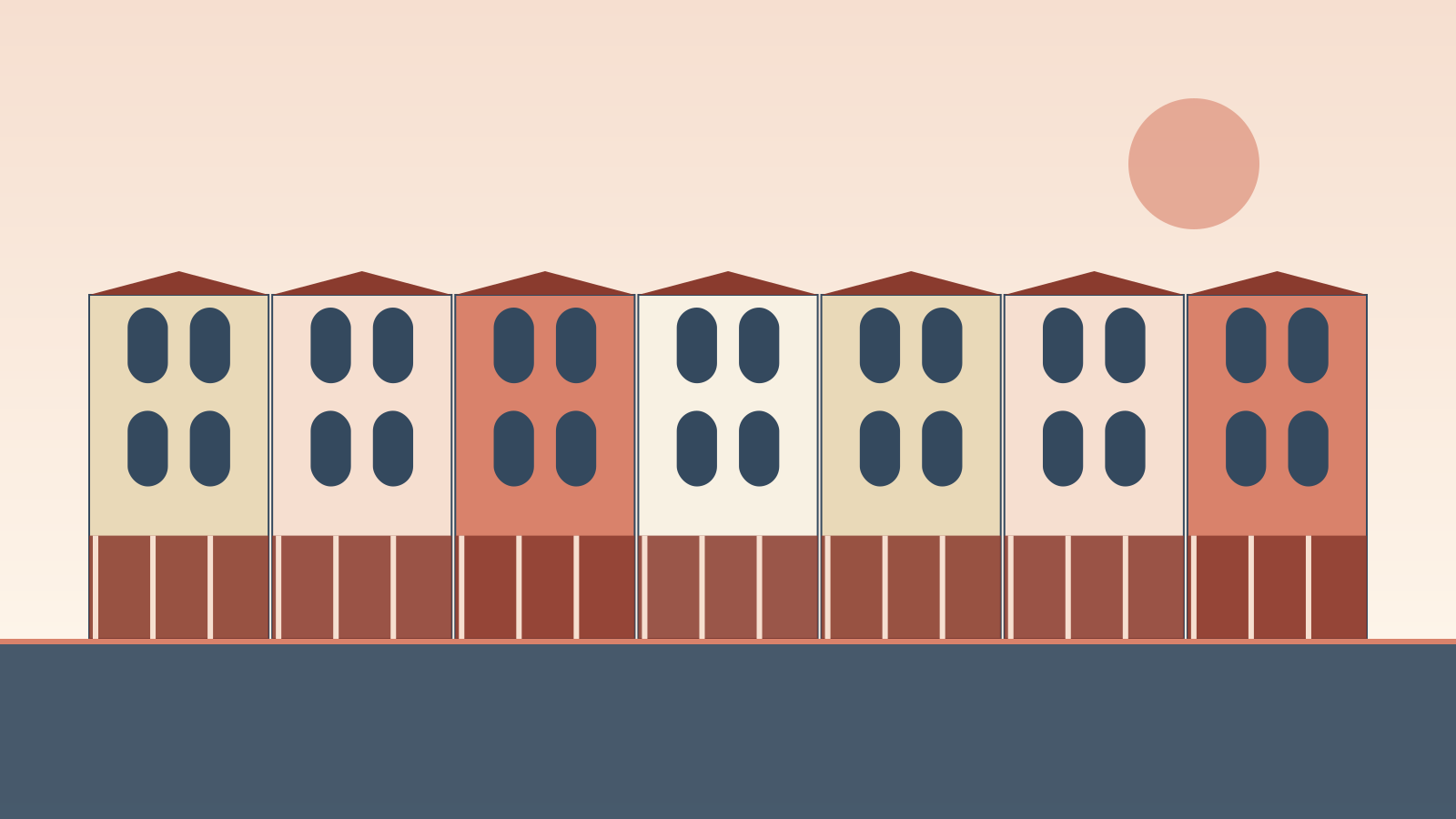
One of Singapore's earliest roads and the spine of Little India, lined with colourful conserved shophouses, temples and trade.
Short answer
Serangoon Road shophouse for sale listings sit in the Little India Conservation Area, the road at the centre of Singapore's Indian community since the mid-1800s. Expect two to three storey conserved rows, retail below and varied uses above. Price depends on lot status, tenure and approved use; check URA REALIS for recent sales.
History of Serangoon Road: farms, cattle and the road across the island
URA records that Serangoon Road was one of the earliest roads built in Singapore, marked as "The Road Leading Across the Island" in Lieutenant Jackson's 1828 Plan of Singapore. Farms were set up along it, and the area's older name, Kandang Kerbau (buffalo pen), points to the cattle and agricultural activity that once defined the district. The wider conservation area is also known as Tekka, after bamboo clumps near the junction of Bukit Timah and Serangoon Roads.
As the Indian population grew through the late nineteenth and early twentieth centuries, the road became the heart of the community, with temples, provision shops, workshops and boarding houses. URA describes the area as the main venue for public celebrations of festivals such as Deepavali and Pongal. The shophouses you see today mostly come from the late nineteenth century through the 1930s to 1960s, in styles URA lists from Early to Art Deco.
1828
Lieutenant Jackson's Plan of Singapore marks the road as "The Road Leading Across the Island".
1835
Tamil workers build a clay shrine that becomes the Sri Veeramakaliamman Temple at 141 Serangoon Road, per URA.
Mid-1800s
URA notes some 13,000 Indians in Singapore, many living in this area, and farms and cattle trade along the road.
7 July 1989
Little India Conservation Area is gazetted, bounded by Serangoon Road, Sungei Road and Jalan Besar.
Mid-1990s
The Little India Arcade block at 42-54 Serangoon Road, with Hastings Road and Campbell Lane, is restored.
6 June 2014
Sri Veeramakaliamman Temple is gazetted for conservation, per URA.
Serangoon Road is the road the district grew around, and the shophouses reflect a century of layered trade.
Shophouses on Serangoon Road: colourful rows and the streets that join it
The phrase "colourful shophouse Serangoon Road" is usually a search for the painted rows in the Little India stretch. Colour is a surface choice and not a conservation fact: owners repaint, and any colour change must follow URA's guidelines for the conserved facade. What does matter is the structure behind it: narrow frontages, long floor plates, timber upper floors and a covered five-foot way.
Serangoon Road runs in a north-easterly to south-westerly direction, and URA notes that the side streets off it meet at skewed angles, possibly because they began as private roads to bungalows. Block character changes quickly. The Hastings Road and Campbell Lane frontage near the Arcade is a restored 1990s block, while other stretches are busier, older and more varied. Rowell Road sits in the same area; confirm exact boundaries on a map and with URA.
Many searchers confuse this road with the Serangoon estate. Serangoon Gardens, by contrast, is a landed residential estate in the north-east of the island, with a different property market. This page covers only the Serangoon Road shophouse belt.
| Street / block | Typical stock & style | Typical use | Conservation note |
|---|---|---|---|
| 42-54 Serangoon Road (Arcade block) | 26 pre-war shophouses restored in the mid-1990s | Retail and crafts | Inside Little India CA; the Hastings Road row is dated 1913 |
| Serangoon Road near Tekka | Early to Art Deco rows, busy frontage | Textiles, provisions, services | Inside the CA; check lot-specific guidelines |
| Serangoon Road temple stretch | Shophouses beside the temples | Retail, ritual supplies, F&B | Sri Srinivasa Perumal is a National Monument; Veeramakaliamman is conserved |
| Side streets off the road | Shorter rows at skewed angles | Services, offices, residential | Mixed; check each street's gazette |
What Serangoon Road shophouses are used for
Ground floors carry the most visible retail: textiles, jewellery, flowers, provisions and eateries, alongside general services. The festival cycle gives the road a particular rhythm, with trading peaks around Deepavali that a tenant should understand before signing a lease.
Upper floors are used for storage, offices and residential, depending on approved use. Some blocks have been adapted to guesthouses and small studios, which needs the right approvals. Always check the approved use for the lot, because a conserved building does not carry a general right to change use.
Compared with its neighbours, Serangoon Road is the busiest and most commercial. If you prefer a calmer wall of conserved frontage, read about Race Course Road and Farrer Park.
Conservation on Serangoon Road: Little India Conservation Area
Little India Conservation Area was gazetted on 7 July 1989 and is bounded by Serangoon Road, Sungei Road and Jalan Besar. URA later added Desker Road (25 October 1991), Syed Alwi Road (21 January 2008) and Jalan Besar (23 November 2010). Styles in the area run from Early and First Transitional through Late and Second Transitional to Art Deco.
Two temples on the road have their own status. URA lists Sri Srinivasa Perumal Temple as a National Monument, and Sri Veeramakaliamman Temple at 141 Serangoon Road was gazetted for conservation on 6 June 2014. For shophouses, URA says conservation permission is required before additions and alterations and before a new use begins.
Practical step: type the unit address into URA's conservation portal and read the applicable guidelines and Specific Restoration Guidelines before you make an offer.
Protection runs lot by lot, so the address, not the road name, tells you what you may change.
Getting to Serangoon Road: Little India, Farrer Park and Rochor
Little India station (NE7 on the North East Line and DT12 on the Downtown Line) is the main access point and sits close to the heart of the road. Farrer Park (NE8) serves the northern stretch, while Rochor (DT13) is a further option on the Downtown Line for the south-western end. Walking time depends on the block, so measure it for your unit.
Buses run along Serangoon Road and the surrounding arterial roads. Frequencies and routes change, so confirm with the operator or LTA before promising a tenant any particular service.
The road is busy and at peak festival periods parts of the area are managed for crowds. That affects deliveries and loading, so ask owners about arrangements and how the unit's rear access works.
Serangoon Road shophouse prices and rent (as of 5 November 2026)
We do not publish prices, rents or yields for Serangoon Road, and we do not recommend relying on any single average. Searches for shophouses in Serangoon Road that were sold recently are best answered with evidence rather than a list.
URA REALIS provides caveat and transaction data. Filter by the address or street, then check property type, tenure and area before comparing. Your lawyer can confirm the actual price on the caveat and in the stamp-duty documents, and an independent valuer can adjust for condition and conservation status. For rent, request signed leases or recent tenancy abstracts and compare floor area and approved use.
A recent sale next door is helpful only if the unit type, tenure and zoning match. A freehold shophouse inside the conservation area and a leasehold unit with a short remaining term are very different assets.
| Factor | Why it matters | How to check |
|---|---|---|
| Tenure | Freehold versus leasehold changes value and financing | Title search, lease term remaining |
| Frontage position | Main road and corner units gain visibility | Site visit, URA map |
| Conservation status | Controls works, facade and some uses | URA conservation portal |
| Approved use | Defines the tenant pool | Master Plan zoning, approved use |
| Festival-season trading | Seasonal peaks affect tenant sales | Ask tenants and landlords for monthly turnover patterns, where disclosed |
F&B and retail on Serangoon Road
The road supports cafes, eateries and food retail alongside textiles, jewellery and provisions. We make no claims about any named business and none of them is affiliated with this site. If you plan a kitchen, the gates are change of use where required, a food-shop licence, fire and ventilation compliance and a clear exhaust route that URA will accept on a conserved facade.
Footfall is strongest around the temples, Tekka and the station, and weakens as you move along side streets, so treat location within the road as a pricing variable. Check what the neighbouring ground floors do at night, since some blocks are quieter after trading hours.
Retailers should ask how the unit handles deliveries and storage. Long, narrow shophouse floors suit stock-heavy trades, and upper floors often serve as back-of-house.
Investing in and living on Serangoon Road
Serangoon Road offers heritage, strong transit and an established trading identity. The trade-offs are crowding, maintenance of old structures and the fact that the best-known frontage is the most competitive. Value is lot-specific.
On tax, commercial-only zoning typically does not attract ABSD, while residential or mixed zoning can; check current IRAS rates and take advice, since we do not quote rates. Foreign buyers in particular should confirm the zoning before signing an option.
Living above a shop is feasible where the approved use allows it, but expect festival noise and foot traffic. Compare the fringe with Little India as a whole, and read our guide to conservation shophouses for sale before you shortlist.
Reviewed 2026-11-05. Figures, boundaries and rules change; confirm conservation status, zoning and approved use with URA and a qualified professional before transacting.
Serangoon Road shophouse FAQs
Are there Serangoon Road shophouses for sale?+
Shophouses on Serangoon Road do come to market, but supply is thin and varies by lot. Most are inside the Little India Conservation Area, so check tenure, zoning and conservation guidelines first. Use URA REALIS to see past transactions and ask an agent for current availability rather than relying on a single portal listing.
What are the shophouses in Serangoon Road like?+
They are mainly two to three storey rows in styles URA lists from Early and Transitional to Art Deco, with a five-foot way, narrow frontages and long floor plates. Ground floors are retail or F&B, and upper floors are residential, storage or office. Condition varies by lot, so inspect the structure and roof.
Why are Serangoon Road shophouses so colourful?+
The bright paint reflects Little India's character and owners' choices. Colour is not a conservation fact: URA guidelines govern works to conserved facades, and owners should confirm requirements before repainting. Buyers should look past colour to structure, tenure and approved use when judging a unit.
How do I find shophouses on Serangoon Road that were sold recently?+
Search URA REALIS for caveats and transactions along the street, then filter by property type and tenure. Ask your lawyer to confirm each price from the caveat or stamp-duty records. Only compare units of similar size, tenure and conservation status, since a neighbour's sale may not apply to your unit.
Is Serangoon Road the same as Serangoon Gardens?+
No. Serangoon Road is a historic road through Little India with conserved shophouses. Serangoon Gardens is a landed residential estate in the north-east of Singapore with a different property market. Check the full address and postal district on any listing so you do not confuse the two.
What are the main temples on Serangoon Road?+
URA lists Sri Srinivasa Perumal Temple as a National Monument on Serangoon Road, and Sri Veeramakaliamman Temple at 141 Serangoon Road as a conserved building gazetted on 6 June 2014. Both anchor foot traffic and are part of why the road is a destination for festivals.
What does Tekka have to do with Serangoon Road?+
URA says Little India is also known as Tekka in Hokkien, named after clumps of bamboo that stood at the junction of Bukit Timah and Serangoon Roads. The name survives in local usage, and shophouses near that junction are often described as being at Tekka.
Which MRT is nearest to Serangoon Road shophouses?+
Little India (NE7 and DT12) is the main station. Farrer Park (NE8) serves the northern stretch, and Rochor (DT13) is an option for the south-western end. Walking distance varies by block, so check the actual route for any unit you are considering.
Is Serangoon Road good for F&B?+
It has strong footfall around the temples, Tekka and the station, which favours food and retail. Unit position matters, as side streets are quieter. You still need change-of-use approval where required, a licence and an exhaust solution that URA accepts for a conserved facade.
Can foreigners buy shophouses on Serangoon Road?+
Foreign buyers generally face ABSD on residential property but typically not on fully commercial property, and zoning varies by lot. Check the Master Plan zoning, confirm current IRAS rates and take legal and tax advice before signing an option to purchase.